Ticket Number Nine: What the Cloakroom Keeps After the Music Stops

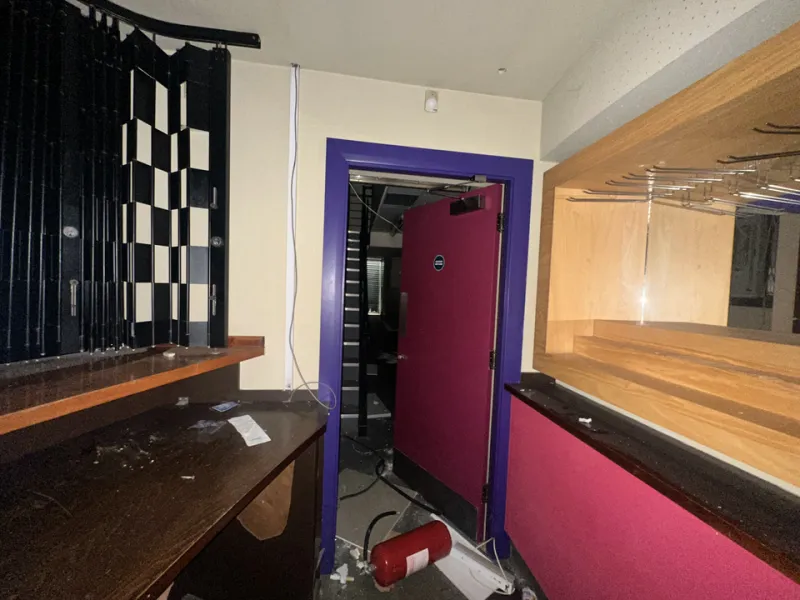
Photo: nightclub cloakroom attendant coat check counter at night, dim lighting, film grain, via imgix.ranker.com
The first thing you notice is the quiet. Not silence — a club is never silent — but a pocket of it, a small room off the stairwell where the bass arrives muffled, like someone telling you bad news through a wall.
This is the cloakroom. Two metres of counter, a cardigan on a hook, a biro on a string. In a building designed to separate people from their inhibitions, it is the one place where they are asked to hand something back.
What Gets Handed Over First
'You can tell what kind of night it's going to be by what comes over the counter,' says Dee, who has run the cloakroom at a venue off Old Street for eleven years. 'Coats early. That's the polite hour. Then bags, because they've decided they're staying. By one it's phones and keys. By two it's things they don't want to explain.'
She keeps a shoebox under the desk for the things that don't fit on a hanger. A single tan boot. A framed photograph, glass intact, face down. A birthday card addressed to Dad and never signed. A Tupperware container that has been there since a Tuesday in autumn and has stopped being funny.
'Someone left a walking stick once,' she says. 'I said, love, do you need this? She said, not in here.'
The Ticket Stub Is a Small Contract
The stub is the whole economy. A numbered slip of card, torn at the perforation, handed over in exchange for a coat that costs more than the night will. Watch the exchange closely and you learn things. Some people fold the stub into a square and put it in a pocket that zips. Some clutch it. Some lose it before they've left the queue, and then the negotiation begins — the slow, apologetic pantomime of describing your own coat to a stranger who has seen four hundred of them.
The attendant is always fair. The attendant is never fooled. There is a particular look that comes over a cloakroom worker when a description gets too detailed: too many specifics, too much certainty, and they will ask you to wait while they fetch the manager.
The Shelf of Unclaimed Things
Every cloakroom in Britain has one. The shelf, the box, the bin bag in the back that nobody wants to open.
It is, in its way, a better portrait of a city at night than any photograph. A suit jacket with a wedding ring safety-pinned to the inside pocket. A dog lead, no dog. A copy of a CV, printed and never handed out. A child's swimming certificate, laminated, folded in half.
What people surrender to the counter is mostly practical. What they forget is not.
The Last Twenty Minutes
At ten to three the room changes register. The queue goes quiet. The music upstairs is thinning out into the songs they play when they want you gone. Coats come back over the counter one at a time, and the attendant becomes something like a registrar, or a night nurse — handing back the identity you left at the door, slightly creased.
There is an etiquette to it. You don't ask. You don't say what you saw being handed over at two. You take your coat, you say thanks, and you step back out into the air, and the small room closes behind you like a drawer.
The cloakroom remembers. It just doesn't testify.