Ninety Balls, One Silent Prayer: Britain’s Bingo Halls After Midnight
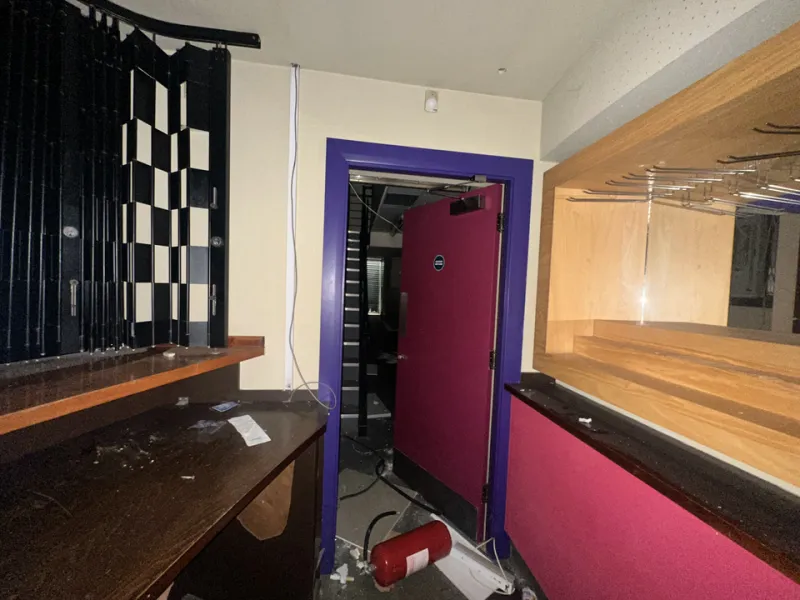
Photo: OathOn, CC BY-SA 4.0, via Wikimedia Commons
The tea urn is still on at two in the morning. It has been on since opening. In the corner of a hall that smells faintly of carpet shampoo and coins, a woman in a fleece taps a dabber against the Formica in a rhythm only she can hear. The caller clears his throat. The room does not so much fall silent as settle. Somewhere a fluorescent tube hums a note that nobody asked for. This is Britain’s bingo hall after midnight: half chapel, half waiting room, entirely honest about why anyone is here.
The Room That Refuses to End
Most towns lost their cinemas, their dance halls, their late-night cafés. The bingo hall remains — often against the odds. At 2AM it is not the gaudy palace of a Saturday night. It is a held breath. The prize board glows. The seats are fewer occupied than not. You can hear the dabbers. You can hear a coat sleeve. A clink of cup on saucer carries from the back. The hall does not need a full house to keep going. It just needs the next number.
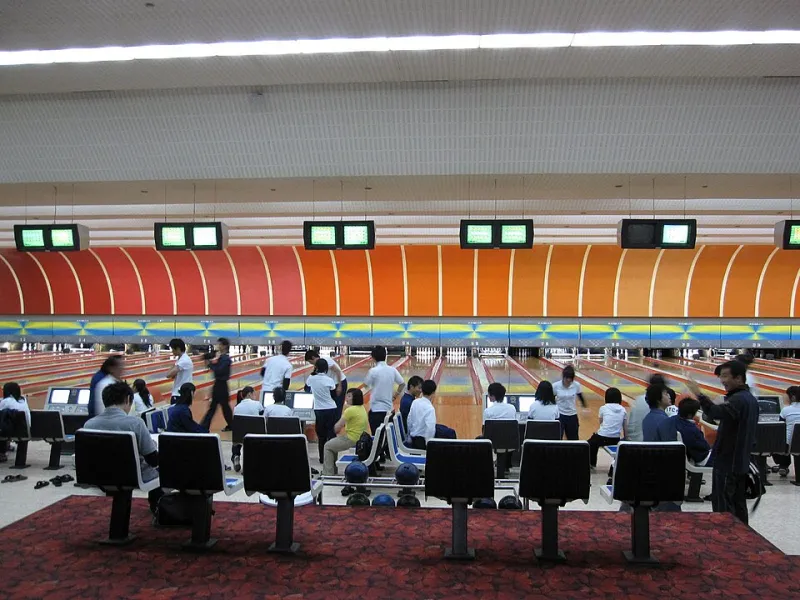
Chain halls and the last independents share the same grammar. Strip lights. A stage. A caller in a waistcoat or a polo, depending on the budget. The screens show the numbers in red. The air is warm and slightly used. Nobody is performing. Nobody is trying to be seen. That is the point.
The Litany of the Caller
‘Eyes down,’ he says, and the room lowers its gaze. Then the numbers, each with its old music-hall nickname: Kelly’s eye, legs eleven, two little ducks, cup of tea. The caller is not a priest. But the cadence is close. There is call and response, though the response is silent — a dab, a glance, a folded ticket. No one confesses aloud. No one has to. The litany does the work. It fills the space where a conversation might otherwise sit, and it asks nothing back.
The voice is steady. It does not judge the woman who has played three strips, or the man who has played none and is just watching. It does not wonder why you are here at this hour. It simply calls. Twenty-two. Two little ducks. A pause. A dab. The room breathes.
A Short Taxonomy of the 2AM Player
Not everyone is here for the same reason. By two, the room has sorted itself into types.
- The Custodian. Own seat. Cushion. Lucky pen. Knows the caller’s holidays. Has been coming since the hall was a cinema. They are the memory of the room.
- The Drifter. Still in a work polo or a lanyard. Ordered a tea, not a pint. Plays one strip and watches the door. They are not hiding. They are just not ready to go home.
- The Keeper of Charms. A photo, a stone, a small plastic frog. Touches it before each game. Will not explain. Does not need to.
- The Silent Two. A couple who sit side by side and do not speak until the interval. Their silence is a kind of agreement. They are here together, and that is enough.
- The Night Watch. Comes because sleep is not currently an option. Not lonely, exactly. Just not ready for the day to start. They play slowly. They listen.
The Rhythm Is the Absolution
Bingo is not a game of skill, which is why it feels clean. You cannot pretend you deserved it. Luck arrives or it does not. The caller reads; you mark; the board fills. In that repetition there is something closer to confession than any spoken word — the admission that you want something, that you have paid for the chance, that you are here at an hour when wanting is usually kept quiet. The hall does not absolve you. It simply keeps calling. And that is enough.
The dabber is the rosary. Ninety balls, one silent prayer. The strip of tickets is the offering. The caller is the voice that keeps the dark at the edge of the car park.
The Price of a Strip
A strip costs less than a round of drinks. The tea is cheap. The crisps are behind the bar. The payout is not the point, or not the only point. The real transaction is an hour in a warm room where nobody asks why you are awake. Pension day brings a fuller house, but the 2AM crowd is different. It is quieter. It is more honest about what it needs.
At three, the last game ends. People stand, zip coats, compare tickets. The caller thanks them. The tea urn is switched off. Outside, the air is cold and the street is empty. The hall will do it all again tomorrow. The dabber goes back in the pocket, a small stone of a thing, and the night lets you go.