The Chalk Line: Britain’s All-Night Snooker Rooms and the Things Said Between Frames
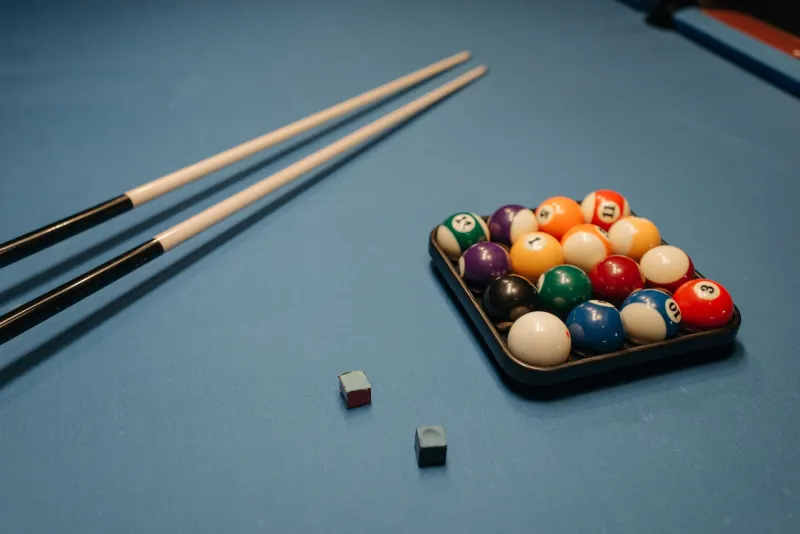
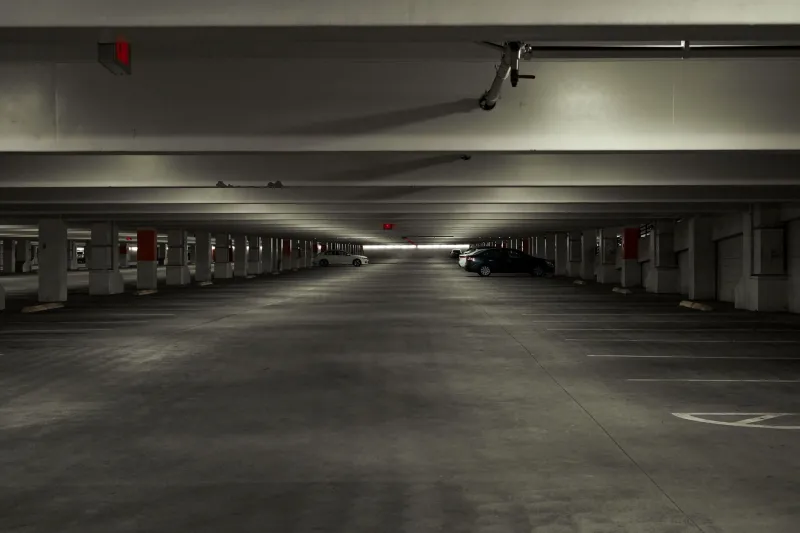
At 2:47am, the loudest thing in the room is the clock above the bar. It says twenty past three. It has said twenty past three for as long as anyone can remember, which is either a fault or a philosophy. Under it, two men in fleeces circle a snooker table like they’re negotiating a border. One bends, cues, misses. The other chalks his tip with the slow, deliberate care of a man who has nowhere else to be. Nobody speaks. The balls click. The strip light hums. Outside, a bus sighs past and does not stop.
This is the after-hours snooker hall: not quite a club, not quite a café, not quite a confessional. Britain still has them — fewer every year, but enough. Rooms above closed shops, basements off back streets, railway arches with a doorbell and a camera and a man called Kev who takes cash. You pay by the hour. You rack your own balls. You keep your voice down. The green baize does the rest.
The etiquette of the baize
There is no written rulebook, but there is a code. Do not talk while a player is down on a shot. Do not chalk over the table. Do not put your phone on the rail. Do not ask for a receipt, a card machine, or a reason. If you’re waiting, sit still. If you’re losing, lose quietly. If you’re winning, win quieter still.
The regulars know the choreography. A night-shift nurse who comes in at 4am with a Tesco meal deal and a two-hour membership. A cab driver who plays three frames then sleeps in his car until dawn. A student who has discovered that a snooker hall is cheaper than a nightclub and infinitely more honest. They do not swap life stories. They swap the cue. That is enough.
Silence, here, is not unfriendly. It is a shared agreement. The world outside is loud with notifications and closing times; the room is loud only with the small collisions of ivory and slate. People come to avoid going home. They come to avoid the conversation that waits in a flat at 3am. They come because a snooker table asks nothing of you except that you take your shot and then step aside.
What a table costs after midnight
In most cities, an hour on the baize after 2am will set you back somewhere between eight and twelve pounds. Some places do a night owl rate: a tenner until close, tea included, toast if you’re lucky. Others charge by the frame. The economics are not glamorous. The cloth needs brushing. The lights need replacing. The owner needs to stay awake. But the price is part of the appeal. It is cheaper than drinking, cheaper than gambling, cheaper than therapy, and it comes with a scoreboard.
You pay at the bar, in cash, to a person who may also be the cleaner. There is a fridge with cans, a kettle with a furred element, and a jar of instant coffee that has seen things. Nobody minds. The transaction is simple. You are buying time in a room where time is not measured by your phone.
Five rooms worth the night bus
We’re not naming them. That’s part of the deal. But if you know, you know.
-
The basement off Deansgate, Manchester. Two tables, one working light, a tea urn that never stops. The door is unmarked. Ring the bell twice. The owner sleeps in a chair by the radiator and wakes when the balls stop.
-
The first-floor room above a closed shop in Leeds. You enter through a side door, climb a narrow stair, and find three tables under low pendants. The radio is always on Radio 2, always low. The regulars are cab drivers and insomniacs. The clock is wrong. Nobody fixes it.
-
A former working men’s club in Glasgow’s East End. four tables, a snooker clock that ticks too loudly, and a sign that says NO COACHING. The sign is ignored. The coaching is terrible. The tea is strong.
-
The side entrance in Birmingham’s Jewellery Quarter. Cash only. Lock-in feel. A framed photo of a player nobody can identify. The best table is the one nearest the radiator, and it is always taken.
-
The railway-arch room in south London. Open until 6am, or until the last player leaves, whichever is later. Mixed crowd: night workers, shift nurses, a man who brings his own cue in a bin bag. At 4am, it is the quietest place in the city.
The last unmonitored room
There is CCTV, of course. There is a fire exit and a licence and a man who will ask you to leave if you shout. But socially, the snooker hall is unmonitored. No bouncer. No dress code. No last orders. No one asking what you do for a living. You can sit in a plastic chair for an hour and watch two strangers play the same safety shot eight times in a row. Nobody will ask why. Nobody will ask anything.
That is the confession. Not the words — the absence of them. The chalk dust on your fingers. The squeak of the rest. The moment when the table clears and you both stand there, not speaking, and one of you says: your break.
The clock above the bar still says twenty past three. Outside, the sky is doing that thing it does before dawn, grey and uncertain. The night bus will be along in ten minutes. You could go home. You could stay for one more frame. You chalk your cue. You bend. You take the shot.