Counterfeit Daylight: Britain’s All-Night Chemists and the Honesty of 3AM
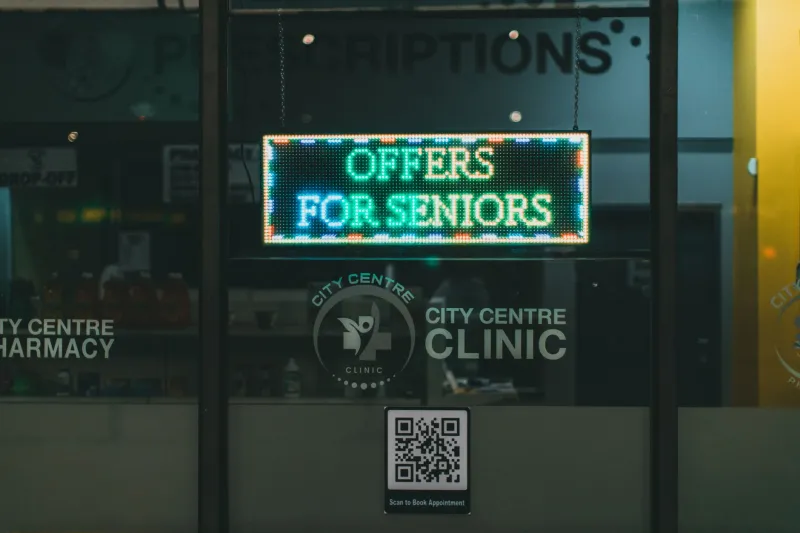
There is a particular kind of British high street that exists only after midnight. The estate agent’s window is a black mirror. The charity shop is a shape under a shutter. The kebab shop is loud, then closed. And then, usually near the bus stop or the edge of the ring road, one window stays lit: the all-night chemist. Not glamorous. Not cinematic. Fluorescent. Open.
The all-night pharmacy is one of the few places in Britain where need is allowed to arrive without a story. You do not have to be dying. You do not have to be drunk. You do not have to explain yourself to a bouncer, a ticket machine or a call centre. You walk in, join the queue, and wait under the kind of light that makes everyone look slightly guilty and entirely human.
The Queue Is the Confession
At 3am the queue has a different physics. In daytime, a pharmacy queue is a small irritation: prescriptions, hay fever, a birthday card. At night, it becomes a cast list. A delivery driver with a split lip and a plaster. A parent holding a child’s hand and a box of Calpol. Someone in gym clothes buying nothing they would admit to buying. A man in a work fleece picking up a prescription bag that has been waiting since yesterday. A woman asking, very quietly, whether the pharmacist can advise on something she does not want to name.
No one performs. The fluorescent light is too honest for that. It flattens everyone into the same tiredness. There is no dress code for being awake at this hour, no correct way to stand. The queue shuffles. The automatic door opens and closes. The street outside is dark and the shop inside is bright, and between those two facts a small, ordinary truth appears: most of us are only a few hours away from needing something.
What the Counter Sells After Midnight
The shelves near the counter tell their own story. Antihistamines. Painkillers. Rehydration sachets. Baby milk. Plasters. Eye drops. Emergency contraception. Thrush treatment. Sleep aids that promise more than they can deliver. Nothing here is a lifestyle. Nothing here is aspirational. It is a small museum of the body’s unfinished business.
That is what makes the all-night chemist different from the rest of the high street. Daytime retail sells versions of you: the you who cooks, the you who decorates, the you who wears a coat well. The pharmacy at 3am sells the you who is still awake. The you who forgot. The you who has a prescription that ran out. The you who needs to ask a question and would rather ask it of a stranger in a white coat than of anyone who knows them.
And the staff know. Of course they know. The pharmacist behind the counter has seen more of the night than most nightclub promoters. They are not there to judge, and they are not there to be your friend. They are there to check the dose, find the box, explain the side effects, and keep the line moving. It is a kind of care that does not ask for gratitude. It is also, in its way, one of the last genuinely neutral spaces left on the high street.
The Secular Clergy in White Coats
There is a reason people lower their voices at a pharmacy counter. It is not just privacy. It is the sense that you are about to admit something. Not a sin, exactly, but a weakness. The body has failed to behave. The plan has not worked. The night has gone on too long. The pharmacist listens with the practiced calm of someone who has heard worse and will hear it again.
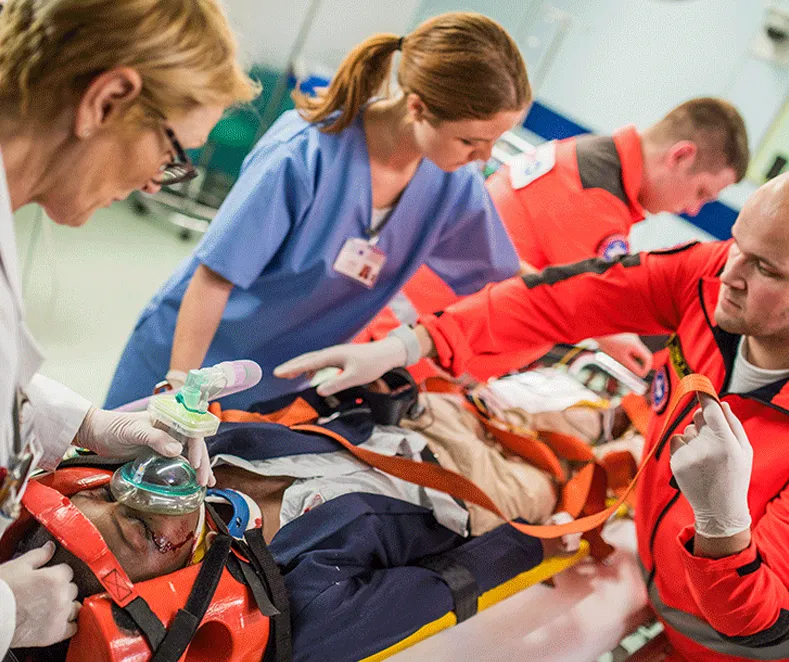
In the popular imagination, the all-night chemist is a place of drama: overdoses, fights, ambulances. Sometimes it is. But more often it is a place of small, unphotogenic emergencies. A chest infection that would not wait until Monday. A cut that needed closing. A prescription for a parent with dementia. A packet of nappies at the end of a long drive. The fluorescent light does not distinguish between tragedy and inconvenience. It simply stays on.
That is the strange comfort of the lit window. It does not promise to fix you. It promises to be there. In a country where so much of the night is either licensed or locked, the all-night pharmacy offers something rarer than entertainment: a counter.
Why It Feels More Honest Than the Rest of the High Street
The high street after dark is mostly a rumour of itself. The shops are shut. The lights are off. The pavements belong to buses and taxis and people walking with purpose. Then the pharmacy appears, and the high street remembers it has a function beyond selling things. It has a function beyond opening hours. It has a function beyond the performance of being open.
The all-night chemist is not beautiful. The shelving is utilitarian. The floor is the kind that shows every scuff. The posters are about flu jabs and bowel cancer and minor ailments. But it is honest in a way that the daytime high street rarely is. It does not ask you to want anything. It asks what you need. And at 3am, in Britain, that is a surprisingly radical question.
After dark, before sense, the lit window stays on. It is not a sanctuary, exactly. It is a counter, a queue, a pharmacist, a receipt. But if you have ever stood there, holding a small white bag, waiting for the bus home, you know the feeling: for a few minutes, the night had a shape. And the shape was fluorescent.